There are a diverse array of over 200 distinct species and numerous cultivars of cane-like begonias, all esteemed for their aesthetic appeal. These begonias are renowned for their generous and often long-lasting pendulous flower clusters, a feature widely admired.
Cane-like begonias are an excellent choice for gardens and need not be confined to pot cultivation. They boast erect or semi-erect stems adorned with swollen nodes that resemble bamboo. Most of these begonias send forth fresh shoots from the base of the plant. The range of leaf shapes and colors is extensive, spanning from deep to pale greens. Many exhibit prominent silver and white dots and splashes.
The leaf surfaces of these begonias can be either hair-free or sparsely hairy. While most possess a glossy or satiny finish, some exhibit a dull appearance. Their height varies greatly, encompassing dwarf varieties to those that flourish to heights exceeding two meters when grown outdoors. The growth habits diverge, encompassing low-growing miniatures and tall-growing begonias. The majority of cane-like begonias produce enduring pendulous flowers in an array of colors, spanning from white, pink, salmon, orange, and red to rose. Some are known for their continuous blooming, while others follow seasonal patterns.
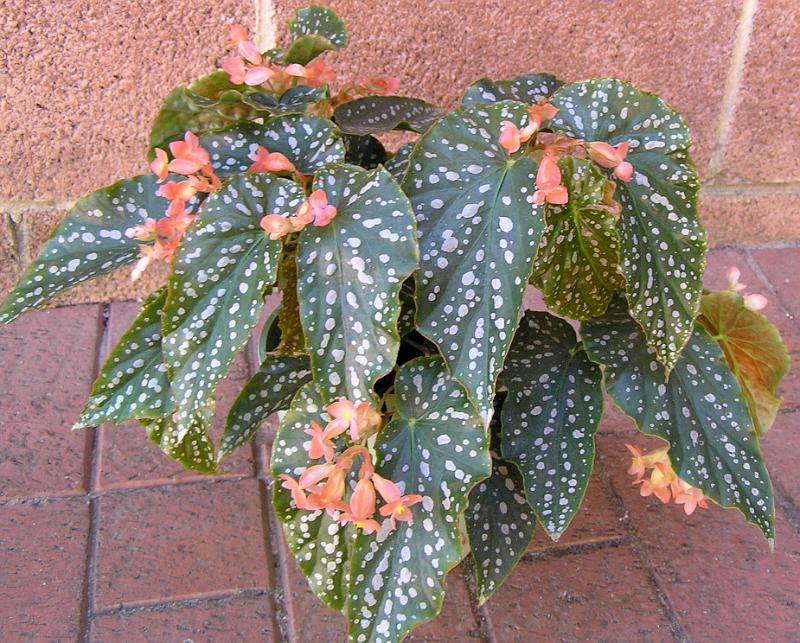
Begonia ‘Tom Ment’
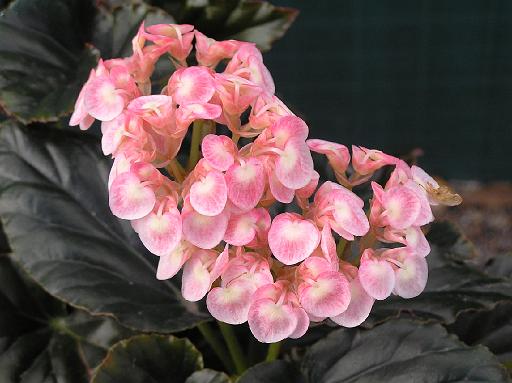
Begonia ‘Jet Rose’
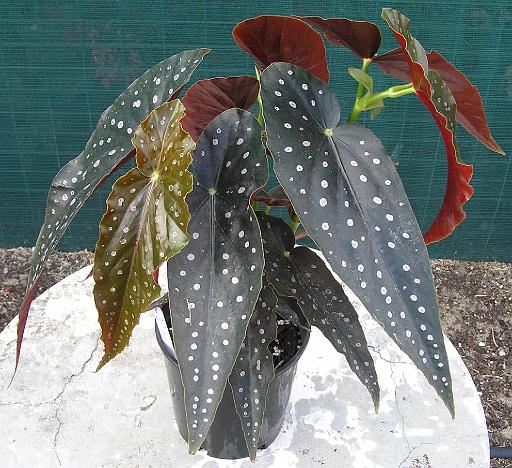
Begonia ‘Elsa’
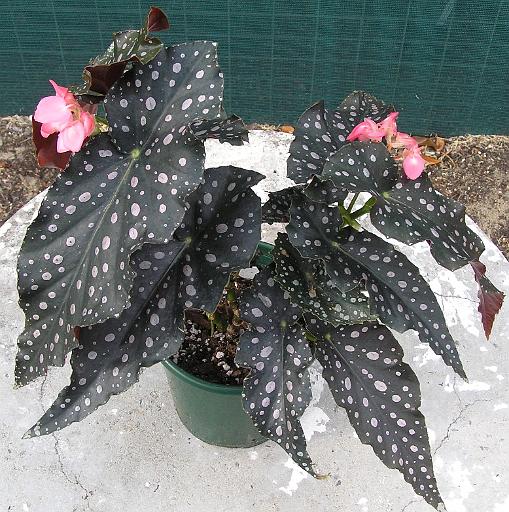
Begonia ‘Donna’

Begonia ”
Optimal growing conditions for cane-like begonias necessitate ample light, ideally a minimum of six hours of filtered sunlight each day. In many regions of Australia, cane-like varieties should be shielded from the intense midday sun during the hottest periods of the year. While these begonias tolerate a wide temperature range, they thrive between 14º C and 25º C. Adequate watering allows them to flourish even in higher temperatures. Pot cultivation offers the flexibility to relocate the plant to an ideal growing spot. Terracotta or plastic pots are suitable, but care must be taken not to overwater in winter. Cane-like begonias thrive in semi-shaded gardens within frost-free zones, and, as with most begonias, it’s advisable to water them in the early morning.
Potting mix – a standard blend comprises one part sand, one part high-quality potting mix, and one part compost, with the option of adding a touch of blood and bone. Additionally, cane-like begonias benefit from springtime application of a long-lasting fertilizer, occasional top dressing with animal manure, or periodic liquid feeding.
Pruning is typically performed in late winter or early spring. Young plants require only minimal pruning, often just a gentle pinch at the top. In contrast, older plants can be pruned more extensively, encouraging fresh growth from the base.
Propagation can be achieved through tip cuttings measuring 10cm to 15cm. Coarse sand or an open rooting medium, such as perlite, cocopeat, and vermiculite, serves as an excellent propagation mix.
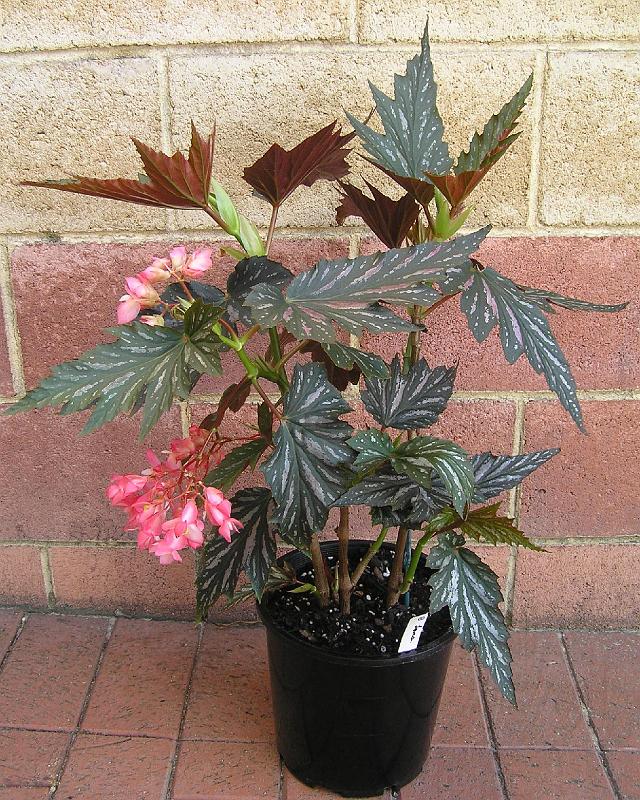
Begonia ‘Lana’
 Begonia Society of Western Australia