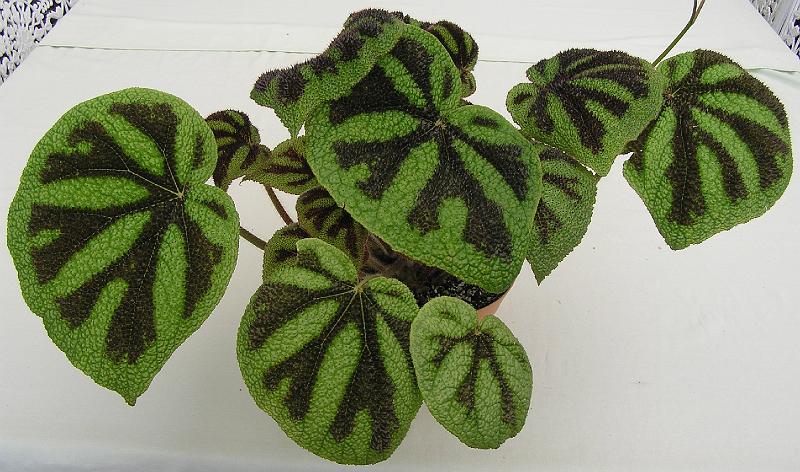
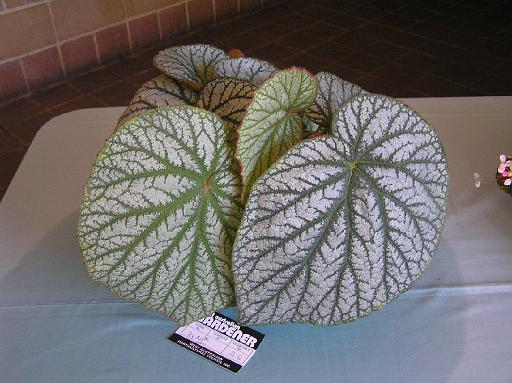
Begonia masoniana
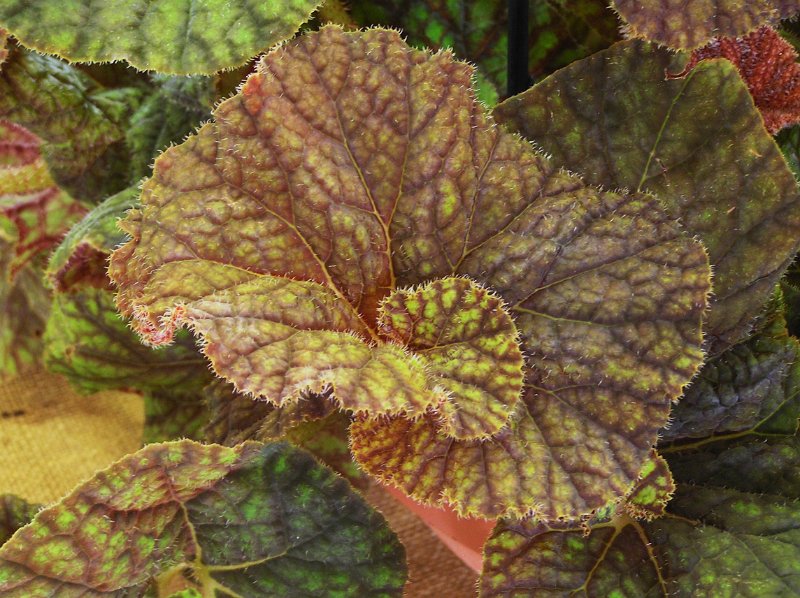
Begonia ‘Cowardly Lion’
Rhizomatous begonias constitute the largest and most diverse group in cultivation, encompassing well over 700 known species and numerous cultivars, both named and unnamed. These begonias derive their name from the rhizome, which is essentially a thickened stem.
Native to regions including Mexico, Central and South America, and more recently Asia, rhizomatous begonias exhibit remarkable diversity in leaf size and shape. They typically bloom once a year, often in late winter or early spring, showcasing stunning flower clusters with an elegant appearance. Even when not in bloom, their foliage alone provides a spectacular display.
Rhizomatous begonias stand out as the largest group among cultivated begonias, boasting well over 700 known species and countless cultivars, both named and unnamed. As their name suggests, these begonias feature a rhizome, essentially a thickened stem that contributes to their unique growth structure.
These plants showcase an incredible diversity in the size and shape of their leaves, originating primarily from regions such as Mexico, Central and South America, and more recently, Asia. Rhizomatous begonias typically bloom once a year, often in late winter or early spring, unveiling a stunning flower cluster with a graceful habit. Regardless of whether they are in bloom or not, these begonias offer a spectacular display of foliage.
In terms of cultivation, most rhizomatous begonias thrive in outdoor settings in warm climates, especially when placed in filtered sunlight. The ideal light conditions can often be found beneath large trees, particularly deciduous ones, or within well-constructed shade houses. This placement ensures that these begonias receive the right balance of light, allowing them to flourish and showcase their striking features.
Light: Rhizomatous begonias generally thrive outdoors in warm climates, especially when placed in filtered sunlight. Large trees, particularly deciduous ones, can provide the ideal amount of light, as can well-constructed shade houses.
Potting and Potting Mediums: In their natural habitat, these shallow-rooted plants grow in shallow leaf litter, necessitating shallow containers for cultivation. Over-potting, which leads to excessive moisture retention, should be avoided. Rhizomes prefer a porous, well-drained potting medium.
Temperature: Rhizomatous begonias prefer temperatures in the range that humans find comfortable, typically between 20ºC and 25ºC.
Humidity: While not overly demanding, these begonias may tolerate lower humidity levels compared to some other begonia varieties. Generally, the more exotic or unique the foliage, the higher the humidity requirement.
Watering: Like other begonias, it’s important not to overwater rhizomatous begonias. The rhizome itself serves as a water storage reservoir for the plant.
Fertilizing: Fertilization should only occur when the plant is actively growing, typically during spring and early summer. Using a regular dose of low-strength liquid fertilizer is advisable.
Propagation: Rhizomatous begonias can be propagated through three methods: stem cuttings, leaf cuttings, and seeds.
- Stem cuttings: Utilize sectional pieces or the ends of rhizomes for quicker plant development.
- Leaf cuttings: This is the most common propagation method and can be done using either whole leaves or leaf wedges.
- Seeds: When propagating, use the seeds of specific species to ensure true-to-type plants.
These guidelines can help you cultivate and care for the diverse and stunning rhizomatous begonias successfully.
 Begonia Society of Western Australia