
Tuberous begonias stand out as a captivating choice for gardening enthusiasts, celebrated for their enchanting tuber-like structures and breathtaking, sizable blooms. Flourishing in well-draining soil with a slightly acidic to neutral pH, these begonias offer a splendid spectrum of colors, ranging from vivid oranges to soft pinks. They particularly thrive in filtered sunlight or partial shade, requiring a delicate balance between bright yet indirect light for optimal growth.

These begonias are renowned for their magnificent flowers, showcasing a diverse array of tints including white, cream, yellow, orange, pink, red, and bi-colors. To maximize their floral display, it’s essential to provide them with the right environmental conditions. Partial shade or filtered sunlight, along with protection from strong winds, creates an ideal setting for their growth. The amount of gentle sunlight they receive plays a pivotal role, determining the size and abundance of their flowers.

Starting tubers in regions like Victoria typically begins in September and October. It’s crucial to ensure a ‘sprout’ or ‘pink eye’ appears before planting, much like with dahlias. If tubers show sluggish growth, relocating them from cool winter storage to a warm, well-lit area can stimulate progress. Planting tubers with the concave side upward is important, with adequate spacing between them for root development.
Thoroughly watering tubers upon initial planting is key to maintaining a uniformly moist medium. Subsequent watering should only occur when the surface of the mix starts to dry out, as over-watering can lead to tuber loss. Maintaining temperatures between 15ºC and 22ºC enhances flower production, especially during the early stages of development.
Potting on in early November and subsequent repotting in December allow for continued growth. Stake support may be necessary, and removing buds until mid-January encourages larger flowers. Fertilization should be minimal until the plant is in its final pots, applied only after thorough watering. Tuberous begonias are generally resilient to pests and diseases, with powdery mildew being the primary concern. Adequate air circulation and systemic fungicide application before flowering can mitigate this issue.
As the growing season winds down, a resting period in late autumn involves withholding water, removing flowers and growing tips to encourage dormancy. Storing dry bulbs in a frost-free location during winter ensures the plant’s survival through colder months.
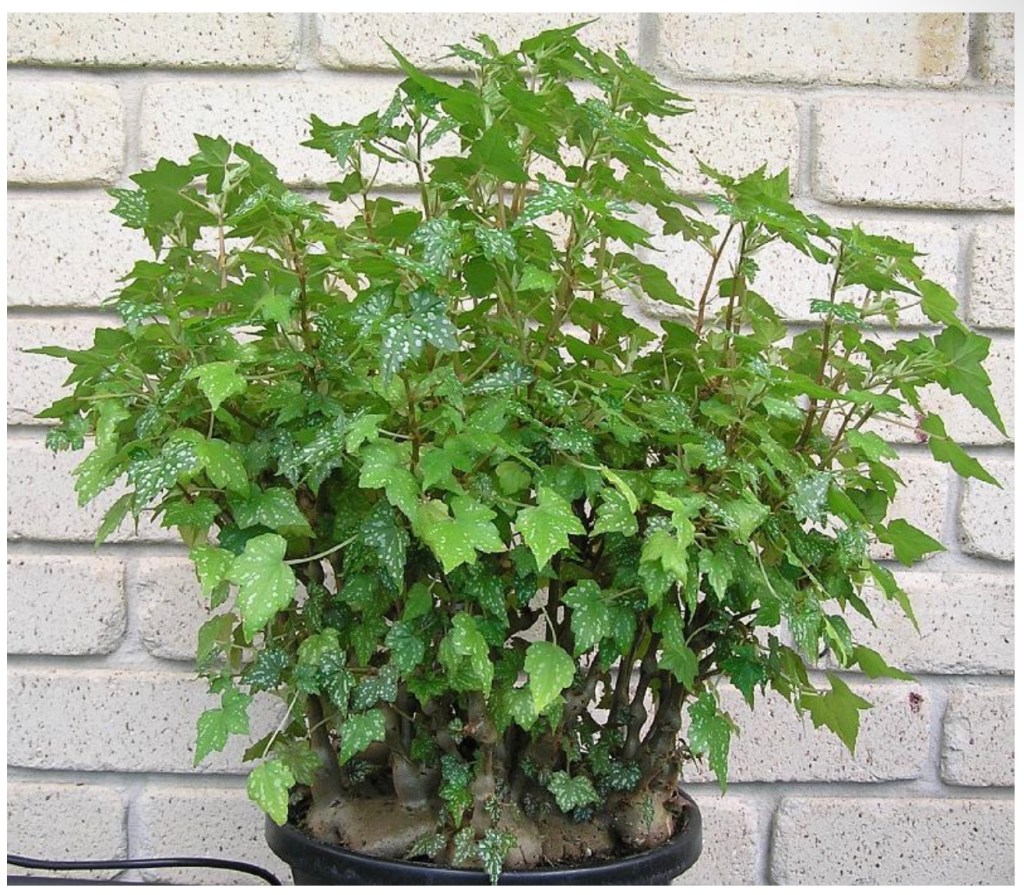
There are various tuberous types of begonias, with the ×tuberhybrida types being complex hybrids that thrive in cooler climates. These begonias boast the largest flowers and a wide range of colors. While they demand some practice in cultivation, the rewards in terms of vibrant blooms are undoubtedly worth the effort. There’s ongoing exploration and discovery in the realm of tuberous begonias, with different types suited for both cooler and warmer climates, offering endless possibilities for garden enthusiasts.
 Begonia Society of Western Australia